Delhi woke up on Saturday to slight but noticeable relief from the suffocating smog that has gripped the city for weeks. However, the improvement was far from enough. With an overall Air Quality Index (AQI) still hovering around 359, the national capital remains firmly in the ‘very poor’ category. The marginal drop in pollutants has offered little comfort, as residents continue to battle hazardous conditions, limited visibility, and rising health concerns. Government authorities, responding to persistent pollution levels, have postponed all sports events, prioritising public safety over scheduled activities.
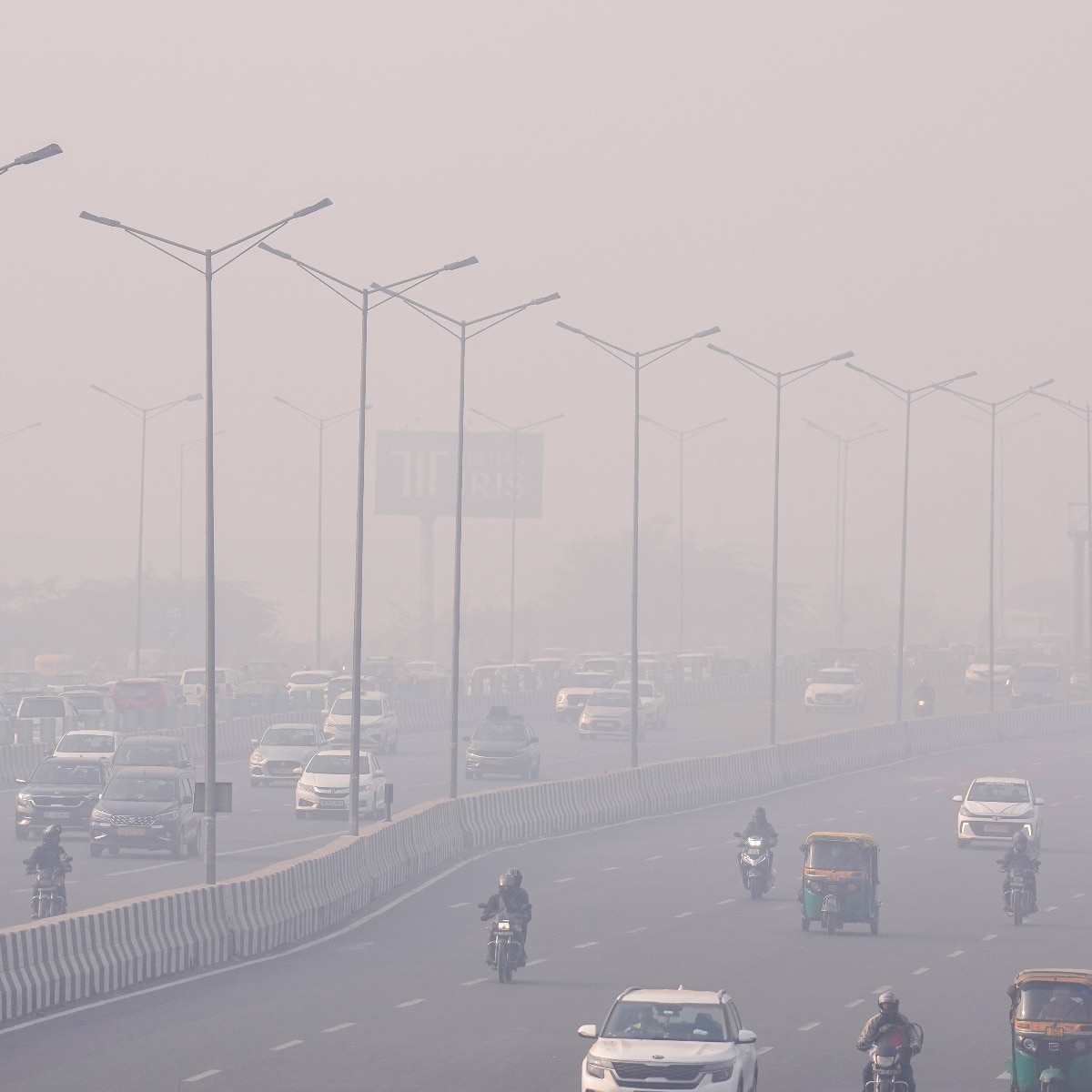
Despite the minor dip in AQI values, the pollution crisis remains a stark reminder of Delhi’s recurring winter struggle—one deeply rooted in seasonal changes, industrial activity, vehicular load, and agricultural practices in neighbouring states.
What Caused the Slight Improvement?
Meteorologists said a marginal increase in wind speed and subtle changes in atmospheric conditions helped disperse pollutants that had been stagnant in the air for several days. Cooler temperatures and early morning fog usually trap pollutants closer to the ground, but a slight shift in airflow allowed some dispersion.
Still, experts warn that the improvement is temporary. Without strong winds or rain—both of which are unlikely in the coming days—pollutants will accumulate again. Delhi continues to face a complex mix of emission sources, making meaningful progress slow and inconsistent.
thebraindepot.com | crossfitcr.com | fastnewshub.net
zhaochulu.com | hellocarbondale.com
AQI Still at Dangerous Levels
While the city observed a minor dip, most monitoring stations recorded AQI levels between 340 and 380, a range known to be extremely harmful for vulnerable groups, including children, pregnant women, the elderly, and those with respiratory conditions.
Some hotspots such as:
-
Anand Vihar
-
Jahangirpuri
-
IIT Delhi
-
RK Puram
reported especially hazardous levels, with PM2.5 concentrations several times higher than the safe limit.
Inhaling such polluted air for extended periods can lead to:
-
Severe cough and throat irritation
-
Difficulty breathing
-
Triggering of asthma attacks
-
Reduced lung function
-
Long-term cardiovascular and respiratory complications
Doctors continue to advise residents to avoid outdoor exposure, wear certified N95 masks, and use air purifiers indoors if possible.
Government Response: Sports Events Postponed
As pollution levels remained above the danger mark, the Delhi government announced a postponement of all sports events, following a directive from the Supreme Court. Schools had already been instructed to halt outdoor activities, a necessary step to protect students from toxic air.
Authorities are also closely monitoring the situation under the GRAP (Graded Response Action Plan), which mandates specific actions during severe pollution levels. These include:
-
Restrictions on construction and demolition activities
-
Ban on the use of diesel generator sets
-
Enhanced mechanical road sweeping
-
Intensified checks on vehicles contributing to emissions
-
Advisories against outdoor exposure
However, experts argue that while these measures help momentarily, they do not address the root causes of Delhi’s pollution cycle.
Why Delhi’s Pollution Persists Every Year
Delhi’s winter pollution crisis is not new—it repeats with alarming consistency every year. Several factors contribute:
1. Stubble Burning in Neighboring States
Punjab and Haryana experience large-scale burning of crop residue during October-November. Smoke travels with wind currents and accumulates over Delhi-NCR.
2. Vehicular Emissions
Delhi has over 1.3 crore registered vehicles. Cars, two-wheelers, buses, and freight trucks release massive amounts of nitrogen oxides and particulate matter daily.
3. Industrial Pollution
Industries operating on fossil fuels and lacking emission controls worsen air quality, especially in the NCR belt.
4. Construction Dust
Large-scale construction projects, often lacking proper dust control, release PM10 and PM2.5 pollutants.
5. Weather Conditions
During winter, Delhi experiences:
-
Low wind speed
-
Temperature inversion
-
Fog formation
All of which trap pollutants close to the ground.
6. Household Emissions
Burning of biomass, wood, and waste—especially in the city’s outskirts—adds to the pollution load.
Public Health Impact: A Growing Crisis
A 2023 study estimated that breathing Delhi’s winter air is equivalent to smoking 25–30 cigarettes a day. Hospitals across NCR have reported:
-
Rising cases of bronchitis
-
Breathlessness
-
Chest infections
-
Eye irritation
-
Worsening of heart conditions
Children, in particular, are the worst affected. Exposure to high levels of PM2.5 can impair lung development, making them prone to lifelong respiratory issues.
Can Delhi Expect Improvement?
Meteorologists predict that if wind speed increases or light showers occur, some improvement could be expected. However, in the absence of these conditions, pollution is likely to worsen as temperatures drop further.
Experts believe that only a long-term, multi-state strategy can yield sustainable results. This includes:
-
Large-scale shift to cleaner fuels
-
Stricter vehicular emission policies
-
Consistent industrial monitoring
-
Better waste management
-
Incentives for farmers to adopt non-burning practices
-
Creation of environmental buffer zones
What Residents Can Do Right Now
While systemic solutions require political will and multi-year planning, individuals can take measures to protect themselves:
-
Avoid early morning and late-night outdoor exposure
-
Use N95 or N99 masks when outside
-
Keep indoor spaces well-ventilated but limit outdoor air intake during peak pollution
-
Use air purifiers if available
-
Stay hydrated
-
Include lung-friendly foods like turmeric, ginger, and antioxidants in the diet
Conclusion
Delhi’s air quality may have shown marginal relief, but the city continues to choke under dangerous pollution levels. The temporary dip in AQI offers only a small breather in what remains a long and hazardous winter season for the national capital.
Until sustainable, long-term interventions are put into place—spanning agriculture, industry, transport, and energy—the annual smog crisis will continue, affecting millions of lives and pushing public health systems to the brink.
For now, Delhiites have little choice but to stay cautious, stay informed, and stay protected as the air quality crisis continues to unfold.