India has taken one of its biggest steps in labour reform history by implementing four consolidated labour codes that replace 29 separate laws, many of which dated back to pre-Independence or the early decades afterward. These new laws aim to simplify compliance, modernise working conditions, and bring India’s workforce under a unified legal framework for wages, social security, occupational safety, and industrial relations.
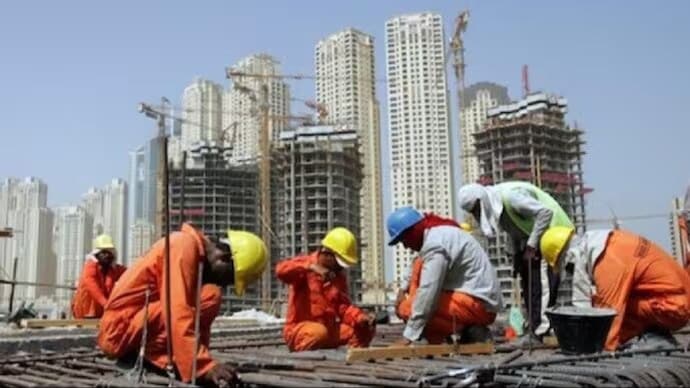
The shift is significant—not only because of the scale of change but also because it affects every employer, employee, gig worker, contractor, and HR function in the country. From wage calculations to hiring rules, working hours, overtime, and safety norms, the new codes touch almost every aspect of work life in India.
Below is an in-depth look at what the new labour codes mean for the Indian workforce and businesses.
1. What Are the Four New Labour Codes?
The four consolidated labour codes are:
-
Code on Wages, 2019
Replaces laws like the Minimum Wages Act, Payment of Wages Act, Payment of Bonus Act, and Equal Remuneration Act. -
Industrial Relations Code, 2020
Merges laws like the Industrial Disputes Act and Trade Unions Act, adding provisions around hiring and layoffs. -
Occupational Safety, Health and Working Conditions (OSHWC) Code, 2020
Replaces 13 laws related to worker safety, health, and working conditions in various establishments. -
Code on Social Security, 2020
Integrates nine laws related to pensions, PF, ESIC, maternity benefits, gratuity, and benefits for gig workers.
Together, these codes streamline decades of fragmented regulations into a clearer, more manageable system.
HealthSmarty.org | OnlinePharmacyMedicine.com | ssbobetonline.com
genericviagra2015shop.com | technoguidepro.com
2. Why Were These Labour Codes Introduced?
Before these reforms, labour laws in India were:
-
complicated
-
overlapping
-
difficult for small businesses to comply with
-
unevenly enforced across states
The government aimed to:
-
simplify compliance for businesses
-
protect workers with uniform rules
-
encourage formal employment
-
attract foreign investment
-
promote ease of doing business
-
modernise laws dating as far back as the 1940s
The labour reform initiative has been in discussion for nearly two decades, and this implementation marks a major structural change.
3. Key Changes Under Each Labour Code
Let’s break down the most important changes brought in by each code.
A. Code on Wages: Uniform Wage Definition and Better Worker Protection
This code introduces a single definition of “wages” that applies across all labour laws. This change alone has a major impact because it directly affects:
-
EPF
-
gratuity
-
bonus
-
overtime
-
leave encashment
Under the code, basic salary must be at least 50% of total compensation. Employers who structured pay with low basic pay and high allowances will now need to reorganise salary structures.
Key benefits for employees:
-
timely salary payments
-
improved social security contributions due to higher basic pay
-
clarity in wage calculation
-
expanded minimum wage coverage to all workers
B. Industrial Relations Code: Hiring Flexibility and New Rules for Disputes
The IR Code brings some of the most debated reforms.
Major features:
-
Industries with up to 300 workers can hire and fire without prior government approval (up from 100 earlier).
-
More formal rules for strikes—employees must give prior notice.
-
Faster dispute-resolution mechanisms.
-
Official recognition of trade unions to streamline negotiations.
This is expected to boost industrial productivity but has been criticised by labour unions for reducing job security.
C. OSHWC Code: Stronger Safety and Working Condition Norms
This code unifies safety norms for factories, mines, docks, transport workers, and more.
Key changes:
-
Mandatory free annual health check-ups in many sectors
-
Electronic registration for establishments
-
Updated safety standards for hazardous industries
-
Clear rules on working hours, night shifts, and women’s safety
With new technologies and modern workplaces, this law ensures worker welfare keeps pace with industrial growth.
D. Social Security Code: Inclusion of Gig Workers and Universal Benefits
This is one of the most progressive elements of the labour reforms.
For the first time in India:
-
gig workers
-
platform workers
-
freelancers
-
unorganised workers
are formally recognised for social security benefits.
Key features:
-
EPF and ESIC coverage expanded
-
Maternity benefits strengthened
-
Gratuity eligibility eased for fixed-term employees
-
Social security funds for gig and platform workers
-
Digital national database for all workers
With the rise of the gig economy (like Zomato, Uber, and Swiggy), this code marks a major shift in ensuring long-term protection for non-traditional workers.
4. What Changes for Employers?
The major changes include:
-
Standardised definition of wages affects payroll planning
-
More digital compliance (registrations, filings)
-
Mandatory health and safety measures
-
Clearer rules on contract labour
-
Impact on cost to company (CTC) structures
-
Greater responsibility for welfare and social security
While compliance becomes simpler in the long run, HR departments will need to revise policies, contracts, and salary structures initially.
5. What Changes for Employees?
Employees benefit from:
-
stronger wage protection
-
expanded social security
-
improved safety rules
-
clearer dispute resolution
-
better working conditions
However, concerns remain regarding job security due to flexible hiring rules.
6. Impact on the Job Market and Economy
Economists believe labour reforms could:
-
boost foreign investment
-
improve manufacturing competitiveness
-
encourage formalisation of jobs
-
reduce long-term business costs
At the same time, some experts worry the impact on workers’ rights needs monitoring.
7. Challenges Ahead
While the codes aim to simplify regulations, challenges include:
-
varied implementation across states
-
initial compliance burden for companies
-
confusion among small businesses
-
adaptation required for gig platforms
-
trust-building between workers and employers
Successful implementation will depend on awareness campaigns and effective enforcement.
Conclusion
India’s 4 new labor laws mark one of the most significant changes in labor laws within US history. 29 The government aims to strengthen worker security while aiding the growth of commercial enterprises by replacing outdated laws with streamlined frameworks. The reforms update a lot from wage definitions to social protection policies, insurance rules and trade relations.
While the transition may offer immediate-term challenges, the long-term goal is a more equitable, transparent, and revolutionary work environment—one that continues to gain momentum with India’s unexpectedly evolving economy, rising gig workers, and global competitiveness.
onlinepharmacymedicine.com onlinepharmacymedicine.com onlinepharmacymedicine.com onlinepharmacymedicine.com onlinepharmacymedicine.com onlinepharmacymedicine.com onlinepharmacymedicine.com onlinepharmacymedicine.com onlinepharmacymedicine.com onlinepharmacymedicine.com onlinepharmacymedicine.com onlinepharmacymedicine.com onlinepharmacymedicine.com onlinepharmacymedicine.com onlinepharmacymedicine.com onlinepharmacymedicine.com onlinepharmacymedicine.com onlinepharmacymedicine.com onlinepharmacymedicine.com onlinepharmacymedicine.com onlinepharmacymedicine.com onlinepharmacymedicine.com onlinepharmacymedicine.com onlinepharmacymedicine.com onlinepharmacymedicine.com onlinepharmacymedicine.com onlinepharmacymedicine.com onlinepharmacymedicine.com onlinepharmacymedicine.com onlinepharmacymedicine.com onlinepharmacymedicine.com onlinepharmacymedicine.com onlinepharmacymedicine.com onlinepharmacymedicine.com onlinepharmacymedicine.com onlinepharmacymedicine.com onlinepharmacymedicine.com onlinepharmacymedicine.com onlinepharmacymedicine.com onlinepharmacymedicine.com onlinepharmacymedicine.com onlinepharmacymedicine.com onlinepharmacymedicine.com onlinepharmacymedicine.com onlinepharmacymedicine.com onlinepharmacymedicine.com onlinepharmacymedicine.com onlinepharmacymedicine.com onlinepharmacymedicine.com onlinepharmacymedicine.com onlinepharmacymedicine.com onlinepharmacymedicine.com onlinepharmacymedicine.com onlinepharmacymedicine.com onlinepharmacymedicine.com onlinepharmacymedicine.com onlinepharmacymedicine.com onlinepharmacymedicine.com onlinepharmacymedicine.com onlinepharmacymedicine.com onlinepharmacymedicine.com onlinepharmacymedicine.com onlinepharmacymedicine.com onlinepharmacymedicine.com onlinepharmacymedicine.com onlinepharmacymedicine.com onlinepharmacymedicine.com onlinepharmacymedicine.com onlinepharmacymedicine.com onlinepharmacymedicine.com onlinepharmacymedicine.com onlinepharmacymedicine.com onlinepharmacymedicine.com onlinepharmacymedicine.com onlinepharmacymedicine.com onlinepharmacymedicine.com onlinepharmacymedicine.com onlinepharmacymedicine.com onlinepharmacymedicine.com onlinepharmacymedicine.com onlinepharmacymedicine.com onlinepharmacymedicine.com onlinepharmacymedicine.com onlinepharmacymedicine.com onlinepharmacymedicine.com onlinepharmacymedicine.com onlinepharmacymedicine.com onlinepharmacymedicine.com onlinepharmacymedicine.com onlinepharmacymedicine.com onlinepharmacymedicine.com onlinepharmacymedicine.com onlinepharmacymedicine.com onlinepharmacymedicine.com onlinepharmacymedicine.com onlinepharmacymedicine.com onlinepharmacymedicine.com onlinepharmacymedicine.com onlinepharmacymedicine.com onlinepharmacymedicine.com onlinepharmacymedicine.com onlinepharmacymedicine.com onlinepharmacymedicine.com onlinepharmacymedicine.com onlinepharmacymedicine.com onlinepharmacymedicine.com onlinepharmacymedicine.com onlinepharmacymedicine.com onlinepharmacymedicine.com onlinepharmacymedicine.com onlinepharmacymedicine.com onlinepharmacymedicine.com onlinepharmacymedicine.com onlinepharmacymedicine.com onlinepharmacymedicine.com onlinepharmacymedicine.com onlinepharmacymedicine.com onlinepharmacymedicine.com onlinepharmacymedicine.com onlinepharmacymedicine.com onlinepharmacymedicine.com onlinepharmacymedicine.com onlinepharmacymedicine.com onlinepharmacymedicine.com onlinepharmacymedicine.com onlinepharmacymedicine.com onlinepharmacymedicine.com onlinepharmacymedicine.com onlinepharmacymedicine.com onlinepharmacymedicine.com onlinepharmacymedicine.com onlinepharmacymedicine.com onlinepharmacymedicine.com onlinepharmacymedicine.com onlinepharmacymedicine.com onlinepharmacymedicine.com onlinepharmacymedicine.com onlinepharmacymedicine.com onlinepharmacymedicine.com onlinepharmacymedicine.com onlinepharmacymedicine.com onlinepharmacymedicine.com onlinepharmacymedicine.com onlinepharmacymedicine.com onlinepharmacymedicine.com onlinepharmacymedicine.com onlinepharmacymedicine.com onlinepharmacymedicine.com onlinepharmacymedicine.com onlinepharmacymedicine.com onlinepharmacymedicine.com onlinepharmacymedicine.com onlinepharmacymedicine.com onlinepharmacymedicine.com onlinepharmacymedicine.com onlinepharmacymedicine.com onlinepharmacymedicine.com onlinepharmacymedicine.com onlinepharmacymedicine.com onlinepharmacymedicine.com onlinepharmacymedicine.com onlinepharmacymedicine.com onlinepharmacymedicine.com onlinepharmacymedicine.com onlinepharmacymedicine.com onlinepharmacymedicine.com onlinepharmacymedicine.com