A decommissioned NASA spacecraft is expected to make an uncontrolled return to Earth, raising curiosity and concern among scientists and the public alike. The object in question is Van Allen Probe A, a scientific satellite that spent nearly 14 years in orbit studying Earth’s radiation environment. Although most of the spacecraft is expected to burn up during reentry, experts say a small portion of debris could survive the intense heat and reach the planet’s surface.
Despite the dramatic scenario, scientists emphasize that the risk to people on Earth remains extremely low. The event, however, highlights growing concerns about space debris and the increasing number of objects returning from orbit.
Table of Contents
ToggleWhat Is the Van Allen Probe A
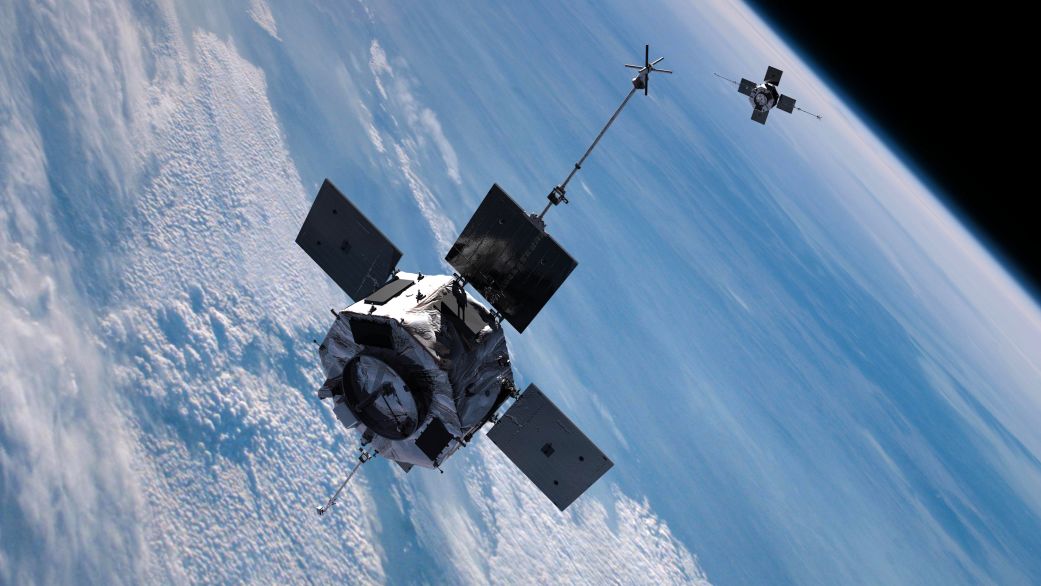
Van Allen Probe A was launched in August 2012 as part of a twin spacecraft mission designed to explore the Van Allen radiation belts, two regions of charged particles trapped by Earth’s magnetic field. These belts act as a protective shield, guarding the planet from harmful cosmic radiation, solar storms, and solar wind that can damage satellites and other technologies.
Together with its twin spacecraft, Van Allen Probe B, the satellite collected valuable data about the dynamic behavior of these radiation belts. During its mission, the probes discovered several key phenomena, including evidence of a temporary third radiation belt that can form during intense solar activity.
Originally designed for a two-year mission, the probes far exceeded expectations and continued operating until 2019, when they were retired after running out of fuel.
Why the Spacecraft Is Falling Earlier Than Expected
When the mission ended, NASA predicted that Van Allen Probe A would remain in orbit until around 2034. However, recent solar activity significantly changed those calculations.
The Sun is currently going through a period known as solar maximum, which produces more intense solar storms and space weather events. These events heat and expand Earth’s upper atmosphere, increasing atmospheric drag on satellites in low orbit.
This extra drag acts like a brake, gradually pulling spacecraft closer to Earth. In the case of Van Allen Probe A, the effect accelerated its orbital decay, bringing its reentry timeline forward by nearly eight years.
When and How the Reentry Will Occur
According to predictions by the U.S. Space Force, the spacecraft is expected to enter Earth’s atmosphere at approximately 7:45 p.m. EDT, although the exact timing could vary by about 24 hours.
During reentry, the spacecraft will travel through the atmosphere at extremely high speeds. The friction between the spacecraft and atmospheric gases will generate intense heat, creating a fiery descent similar to a meteor streaking across the sky.
Most of the 1,323-pound (600-kilogram) spacecraft will likely disintegrate during this process. However, engineers believe that some dense components could survive the reentry and reach the surface.
How Dangerous Is the Event
NASA has estimated that the probability of debris causing harm to a person is approximately 1 in 4,200.
While that might sound concerning at first glance, experts note that the risk remains very small. Much of Earth’s surface is covered by oceans or sparsely populated areas, making it highly likely that any surviving fragments will fall harmlessly into the sea or remote regions.
In fact, the odds of injury from this event are still considered low by space safety standards. In some past cases, spacecraft reentries have had even higher theoretical risks but resulted in no damage or injuries.
Why NASA Allows Spacecraft to Burn Up
Allowing retired satellites to reenter the atmosphere is a common method of spacecraft disposal. Leaving old satellites in orbit indefinitely can create hazards for active spacecraft, including collisions that could generate large clouds of debris.
Mission planners typically design satellites so that most of their structure will burn up during reentry. In some cases, spacecraft are guided toward a controlled descent over remote ocean regions.
However, not all satellites have enough fuel or design features to perform controlled reentries, which leads to events like the upcoming descent of Van Allen Probe A.
Growing Concerns About Space Debris
The reentry of this spacecraft also draws attention to a broader issue: the increasing amount of debris orbiting Earth. As the cost of launching satellites has fallen and commercial space activity has expanded, thousands of new satellites have been placed into orbit.
Space debris includes defunct satellites, rocket stages, and fragments created by past collisions. These objects pose risks both in orbit and when they eventually fall back to Earth.
Experts estimate that pieces of space hardware reenter the atmosphere regularly. In fact, some analysts say that a significant object from space debris can fall to Earth roughly once a week.
What Happens Next
Scientists and tracking agencies will continue monitoring the spacecraft until it fully reenters the atmosphere. Because the final descent depends on atmospheric conditions, the exact location of the debris impact cannot be predicted far in advance.
Fortunately, the overwhelming majority of such events pass without incident. The Van Allen Probe mission has already delivered valuable scientific discoveries, and its final journey back to Earth marks the end of a successful chapter in space exploration.
While the uncontrolled reentry may capture headlines, experts agree that the risks are minimal. Instead, the event serves as a reminder of both the achievements of space science and the growing need to responsibly manage humanity’s presence in orbit.