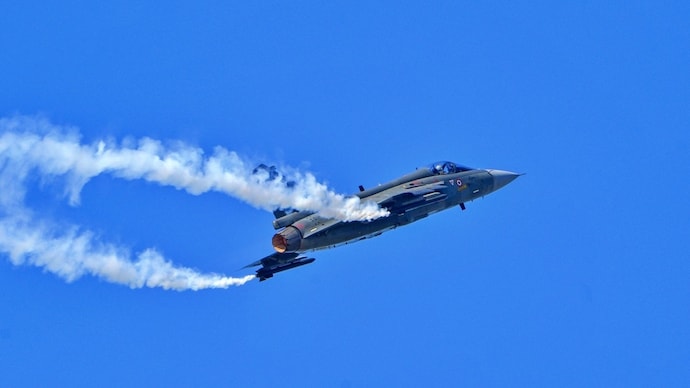
The recent Tejas crash has once again drawn attention to one of the most dangerous aspects of modern military aviation — the negative-G manoeuvre. While fighter pilots train extensively to perform complex aerial movements, even the most advanced jets face limitations when exposed to forces that push both human physiology and aircraft engineering to their extremes. The incident has sparked discussions among aviation experts on the stresses fighter jets experience during high-risk aerial manoeuvres and why negative-G forces are particularly threatening.
What Are G-Forces in Aviation?
G-forces describe the stress placed on the human body or aircraft structure during acceleration. In fighter aviation, positive Gs occur when the force pushes the pilot down into the seat, such as during a steep climb or tight upward turn. Negative Gs, on the other hand, create the opposite effect — they lift the pilot upward, pulling the body against the harness and pushing fuel, fluids, and mechanical systems in unnatural directions.
Fighter jets are built primarily to withstand high positive G-forces, often ranging between +7 to +9 Gs. This is because most combat manoeuvres, dogfights, and tactical turns involve high-energy upward pulls. Negative G-forces, although encountered far less frequently, are significantly more dangerous because both pilots and aircraft are inherently less protected against them.
What Is a Negative-G Manoeuvre?
A negative-G manoeuvre occurs when an aircraft is pushed downward rapidly or when the nose is forced below the horizon with sudden acceleration. Some common negative-G situations include:
-
Pushing the stick forward abruptly
-
Inverted flight without compensating lift
-
Sudden downward rolls or dives
-
High-speed manoeuvres where the jet experiences a force lifting it upwards rather than compressing it
These manoeuvres cause internal systems to work against their design orientation, making them riskier than most positive-G movements.
TechMindStorm.com | twitdirectory.net | equippedcoffee.com
infiniteslime.com | Placementbuzz.com
Why Are Negative-G Manoeuvres So Risky?
1. Structural Stress on the Airframe
Aircraft frames, including that of the Tejas, are engineered for combat agility, but their strongest reinforcements are designed to handle positive loads. Negative Gs apply stress in the opposite direction — on spars, joints, wings, and fuselage components that are not engineered for heavy downward pressure.
Excessive negative Gs can lead to:
-
Micro-cracks in the airframe
-
Overstress of wing structures
-
Fatigue in load-bearing components
-
Possible failure of mounting points and internal fittings
Even advanced fighter jets avoid negative-G extremes as a rule.
2. Impact on Fuel Systems
Fuel systems in fighter aircraft are optimized for positive-G flight. When exposed to negative G-forces:
-
Fuel can move away from pumps, causing momentary starvation
-
Air can enter the fuel lines
-
Lubricants and hydraulic fluids may shift unpredictably
-
Sensitive components may lose adequate cooling
A sudden loss of fuel flow during a high-speed manoeuvre can be fatal, especially in single-engine jets where interruption even for a second can cause flameout or power instability.
3. Sensors and Avionics Can Get Compromised
Sensors, navigation units, and avionics modules are carefully positioned to operate under predictable flight loads. Negative Gs can disturb:
-
Gyros and inertial sensors
-
Angle-of-attack systems
-
Cooling mechanisms for mission computers
-
Sensitive electronic interfaces and wiring
This can result in temporary mismatches in flight data or momentary failures, which are critical during high-speed operations.
4. Human Physiological Limits
Pilots can tolerate high positive Gs with the help of G-suits and trained muscle techniques. However, in negative-G conditions:
-
Blood rushes to the head
-
Vision becomes blurred or reddish (‘red-out’)
-
Risk of capillary rupture increases
-
Coordination and decision-making may be impaired
Unlike positive G-suits, equipment to protect pilots from negative Gs is extremely limited. Even experienced pilots try to avoid prolonged negative-G exposure.
The Tejas Crash and Renewed Concerns
The Tejas fighter, known for its agility and modern avionics, is fully capable of aggressive aerial manoeuvres. However, like most fighter jets, there are operational limits when performing high-risk movements such as negative-G pushes. Preliminary discussions around the crash have highlighted the possibility of the aircraft entering a manoeuvre that induced unusually high stress.
While investigations will reveal the exact sequence, the incident raises broader awareness about how even advanced jets face constraints when exposed to aerodynamic forces beyond safe tolerances. Fighter aircraft are built to be fierce combat machines, but they remain vulnerable to flight envelopes that challenge both engineering and physical limits.
Why Pilots Use Negative-G Manoeuvres Despite Risks
Although dangerous, negative-G manoeuvres are sometimes necessary to:
-
Evade missiles
-
Out-maneuver opponents in combat
-
Rapidly descend during tactical operations
-
Create unpredictable movement patterns in aerial engagements
However, pilots are trained to keep these manoeuvres extremely short and controlled due to the risks involved.
Strengthening Safety and Training
The Tejas crash has reinforced the need for:
-
Enhanced pilot simulation focusing on negative-G behaviour
-
Advanced onboard systems to detect stress imbalances
-
Structural assessments to improve tolerance
-
Rapid data recording to understand threshold violations
Aviation authorities continually refine protocols to ensure pilots and machines remain within safe operating envelopes.
Conclusion
Negative-G manoeuvres, though executed rarely, are among the most dangerous movements in military aviation. They push fighter jets like Tejas into zones where structural, mechanical, and human limits converge. The recent crash highlights the need for constant vigilance, operational discipline, and advanced engineering solutions. As the investigation progresses, the incident will serve as a reminder of the fine balance between performance and safety in high-performance combat aircraft.