
India’s aviation sector is bracing for widespread disruptions as Airbus has issued a safety alert concerning its A320 family aircraft, one of the most widely used fleets in the country. According to the warning, intense solar radiation can interfere with crucial flight-control data on certain A320 models, prompting immediate grounding, inspections, and software-hardening measures across airlines, including IndiGo, Air India, and Air India Express.
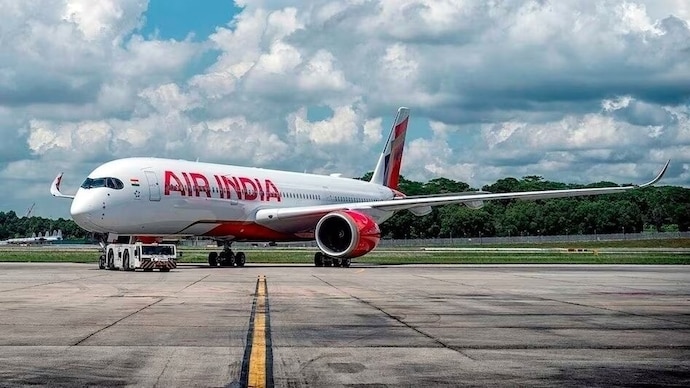
The development has resulted in over 200 aircraft in the country coming under scrutiny, making this one of the biggest operational challenges faced by Indian carriers in recent years. With a significant part of their fleets affected, airlines have already started informing passengers about potential delays and cancellations in the coming days.
The A320 Solar Radiation Glitch: What Airbus Discovered
The issue revolves around a critical vulnerability detected in Airbus A320, A320neo, and other variants belonging to the A320 family. Airbus engineers identified that intense solar radiation at high altitudes can cause momentary disturbances in the aircraft’s flight-control data systems.
The concern is primarily linked to:
-
Data misreads affecting flight-control computers
-
Temporary loss or corruption of sensor inputs
-
Instabilities in autopilot or control-command transitions
Although Airbus clarified that no catastrophic failures have occurred so far, the risk could escalate under specific atmospheric or solar conditions. The company therefore instructed airlines to conduct urgent software updates, system hardening, and hardware component checks.
theflirtyfoodie.com | americanassit.com | listsearch.net
aswantdc.com | cbdnets.com
India Hit Harder Than Most Countries
India operates one of the largest A320 fleets in the world, especially through IndiGo, which holds over 330 aircraft, most of them A320neo or A321neo variants. Air India and its low-cost arm, Air India Express, also operate several A320 family aircraft.
This means the country faces a larger operational hit compared to many other markets.
Affected Fleets in India
-
IndiGo – More than 180 planes under review
-
Air India – Around 50 aircraft affected
-
Air India Express – Close to 15 aircraft impacted
Not all these aircraft are grounded, but many require staggered checks, leading to reduced availability and slower fleet rotation.
IndiGo’s Warning to Passengers
IndiGo, India’s largest airline, has issued an advisory acknowledging “operational disruptions due to mandatory inspections and updates”.
Passengers may experience:
-
Delays
-
Re-scheduled flights
-
Last-minute cancellations
-
Longer wait times
-
Limited seat availability
IndiGo is attempting to rotate unaffected aircraft to maintain schedules, but with such a large fleet impacted, disruptions are unavoidable. The airline has assured customers that safety remains the highest priority and that all required checks are being carried out in coordination with Airbus and the Directorate General of Civil Aviation (DGCA).
Air India and Air India Express: Similar Concerns
Air India and Air India Express have also begun adjusting schedules and preparing for reduced operational capacity. While neither airline has issued a mass cancellation list, officials have confirmed that routine operations will be slower because aircraft will have to undergo phased grounding for the software fix and testing.
Air India highlighted that the issue is global and not restricted to India, and that all carriers operating A320s are required to comply with the new Airbus directive.
DGCA Steps In: Safety First
The DGCA, India’s aviation regulator, has taken the matter seriously and has:
-
Directed airlines to follow Airbus’ technical requirements immediately
-
Asked for detailed reports on inspections conducted
-
Monitored grounding and return-to-service protocols
-
Ensured no shortcuts are taken in the update process
The regulator is prioritising safety over schedule disruptions, stating that any risk related to flight-control instability must be eliminated completely.
What Does the Software Fix Do?
The fix involves:
-
Enhanced shielding in flight-control computers to reduce susceptibility to solar interference
-
Software upgrades to improve data-filtering algorithms
-
Hardware diagnostics to ensure sensor reliability
-
Additional system redundancy tests
The update ensures that even under extreme solar radiation, the aircraft’s flight-control systems remain stable and unaffected.
Why Solar Radiation Is a New Challenge
Solar radiation has always been a factor in aviation, especially at cruising altitudes. But increasing solar activity cycles, changing atmospheric patterns, and more climate-related shifts are impacting modern aircraft electronics in new ways.
Airbus’ recent discovery is part of a broader awareness that next-generation jets rely more on digital systems, which, while efficient, also require greater protection against radiation-induced data errors.
Impact on Passengers: What to Expect
With so many aircraft undergoing maintenance and checks, passengers should prepare for disruptions over the next few weeks.
Possible Passenger Impacts
-
Longer ground times
-
Re-routed flights
-
Higher flight fares due to limited capacity
-
Difficulty in finding last-minute bookings
-
Overbooked alternate flights
Airlines suggest that passengers check flight status frequently, arrive earlier than usual, and prepare for last-minute changes.
Industry Impact: Financial and Operational Strain
Airlines in India are already facing:
-
Rising fuel prices
-
High operational costs
-
Pilot shortages
-
Slot constraints at major airports
The A320 grounding adds another layer of complexity. Prolonged disruptions can result in:
-
Revenue losses
-
Increased passenger grievances
-
Higher maintenance expenses
-
Pressure on customer service systems
IndiGo, Air India, and other carriers are therefore pushing to complete updates as quickly as possible.
How Long Will the Disruptions Last?
Airbus has not specified a fixed timeline, but industry estimates suggest:
-
Software fixes: 2–6 hours per aircraft
-
Hardware checks: 8–12 hours
-
Full system testing: Up to 24 hours
With hundreds of aircraft requiring attention and limited maintenance bays, the overall disruption could stretch over several weeks.
Conclusion: Safety First, Even If Flights Slow Down
The A320 solar radiation glitch has become a significant operational challenge for Indian airlines, but it also highlights the aviation industry’s uncompromising focus on safety. While delays and cancellations may cause inconvenience, the prioritisation of passenger and crew safety is non-negotiable.
As airlines work round-the-clock to update their fleets, passengers are advised to stay informed and flexible. The situation may be temporary, but it underscores how even the smallest technological concern can ripple across an entire aviation ecosystem.
