In a significant development that has sparked conversations in strategic and defence circles, the French Navy has firmly rejected claims made by sections of the Pakistani media alleging that France confirmed Pakistan’s air superiority over India during a supposed military engagement called Operation Sindoor. The misinformation, which spread across various Pakistani news outlets and social media platforms, claimed that Indian Rafale jets suffered losses in an air battle and that the French Navy “validated” these claims.
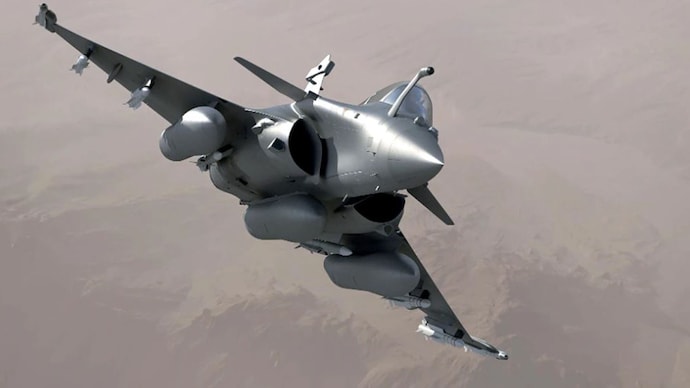
France has now categorically denied all such reports, calling them “false,” “misleading,” and based on “extensive misinformation.” The rebuttal not only clarifies the French position but also highlights how disinformation campaigns continue to shape narratives in South Asia’s highly sensitive geopolitical environment.
theflirtyfoodie.com | americanassit.com | listsearch.net
aswantdc.com | cbdnets.com
Origin of the False Claims
The controversy began when some Pakistani publications circulated a story claiming that the French Navy had acknowledged Pakistan’s military advantage over India during an alleged operation referred to as Operation Sindoor. According to the fabricated reports, the French military supposedly confirmed that Indian Rafale fighter jets were “destroyed” or “compromised” in a conflict scenario involving Pakistan.
Very quickly, these claims gained traction online, amplified by influencers and partisan commenters. The narrative attempted to portray the Pakistani Air Force as strategically superior, suggesting that India’s acquisition of Rafale jets—which was one of the most expensive and politically scrutinised defence procurements—had not delivered the expected edge.
However, these allegations had no credible sources, no official reports, and no international validation. Soon after, France stepped in to dismiss the claims outright.
French Navy’s Firm Rebuttal
The French Navy issued a direct clarification stating that the claims attributed to it were purely fictional. According to the official statement:
-
The French Navy did not issue any report comparing Indian and Pakistani air power.
-
It did not comment on any “Operation Sindoor,” which itself appears to be a fabricated term.
-
France did not confirm any loss or failure of Indian Rafale jets.
-
The military does not involve itself in political narratives between two countries.
France emphasised that such misinformation not only damages diplomatic credibility but also poses risks to regional stability, given the already tense relationship between India and Pakistan.
India’s Defence Procurement and Rafale Context
India’s Rafale fleet has often been the focus of both political debate and strategic interest. The deal with Dassault Aviation for 36 Rafale fighter jets was seen as a significant upgrade to India’s air combat capabilities.
Key capabilities of Rafale include:
-
Advanced radar and electronic warfare systems
-
Long-range missile integration (Meteor, SCALP)
-
Exceptional agility and multi-role functionality
-
Superior air-to-air combat performance
The Rafale has been globally recognised for its performance in real conflict zones, including operations conducted by the French military across the Middle East and North Africa. Therefore, claims about its “losses” without evidence were immediately met with skepticism.
Why the Misinformation Matters
Misinformation in defence matters can quickly escalate into larger geopolitical tensions, especially in regions with longstanding rivalries. The India-Pakistan dynamic has always been sensitive, and narratives around military strength or losses can fuel public sentiment, political rhetoric, or even influence international perception.
In this case, the misinformation attempted to achieve several things:
1. Undermine India’s Defence Strength
By falsely claiming that Rafale jets had been neutralised, the narrative tried to question India’s defence investments and technological edge.
2. Boost Pakistan’s Strategic Image
The story attempted to portray Pakistan as technologically and tactically superior, particularly in air combat—an area where comparisons are frequently drawn.
3. Create Diplomatic Confusion
By falsely attributing statements to the French Navy, it aimed to cause distrust between India and France, two nations whose defence cooperation has only grown stronger in recent years.
4. Influence Domestic Politics
In Pakistan, such narratives could be used to boost national pride or deflect attention from controversies or internal challenges.
France’s Commitment to India
France and India have a long-standing strategic partnership rooted in defence, aerospace, nuclear cooperation, and maritime security. Over the years, France has:
-
Provided high-end military equipment such as Mirage 2000s, Rafales, Scorpenes, and missiles.
-
Supported India in international forums, including the UN Security Council.
-
Collaborated on Indo-Pacific security discussions, counterterrorism, and climate commitments.
Given this deep relationship, any claim suggesting France would publicly undermine India’s defence capabilities appeared implausible from the start.
Pakistan’s Media and Pattern of Misinformation
This incident is not the first time Pakistani outlets have circulated questionable information regarding India’s defence capabilities. Analysts point to a recurring pattern of amplified narratives during periods of domestic political instability or military scrutiny.
In previous instances, fabricated stories included:
-
False claims about shooting down Indian aircraft
-
Exaggerated reports on Pakistan’s defence upgrades
-
Misleading comparisons of military strength
-
Videos from other countries passed off as India–Pakistan conflict visuals
The French Navy’s direct intervention this time indicates how seriously international actors view the spread of such misinformation.
Impact on Global Perception
The rapid growth of social media platforms means misleading stories can reach millions before being fact-checked. When such misinformation involves nuclear-armed neighbours like India and Pakistan, even false reports can have significant consequences.
Global observers note that:
-
Foreign militaries rarely comment on bilateral disputes.
-
Defence misinformation has the potential to disrupt diplomatic engagements.
-
Exposure and debunking by credible authorities—like the French Navy—helps maintain stability.
The Importance of Verifying Defence News
As the incident shows, defence-related information must always be carefully vetted. Readers and viewers should rely on:
-
Official government statements
-
Verified military communications
-
Reputable global media outlets
-
Independent defence analysts
Unverified sources can be manipulated to shape public opinion, create panic, or spread propaganda.
Conclusion
The French Navy’s strong rejection of Pakistan’s claims underscores the seriousness of misinformation in global defence and geopolitical matters. The fabricated narrative about Rafale losses not only attempted to distort India’s military image but also misused France’s name in a sensitive regional context.
By issuing a clear clarification, France reaffirmed its commitment to truth, stability, and its strategic partnership with India. The incident also serves as a reminder of the need for responsible reporting and critical evaluation of defence-related claims.