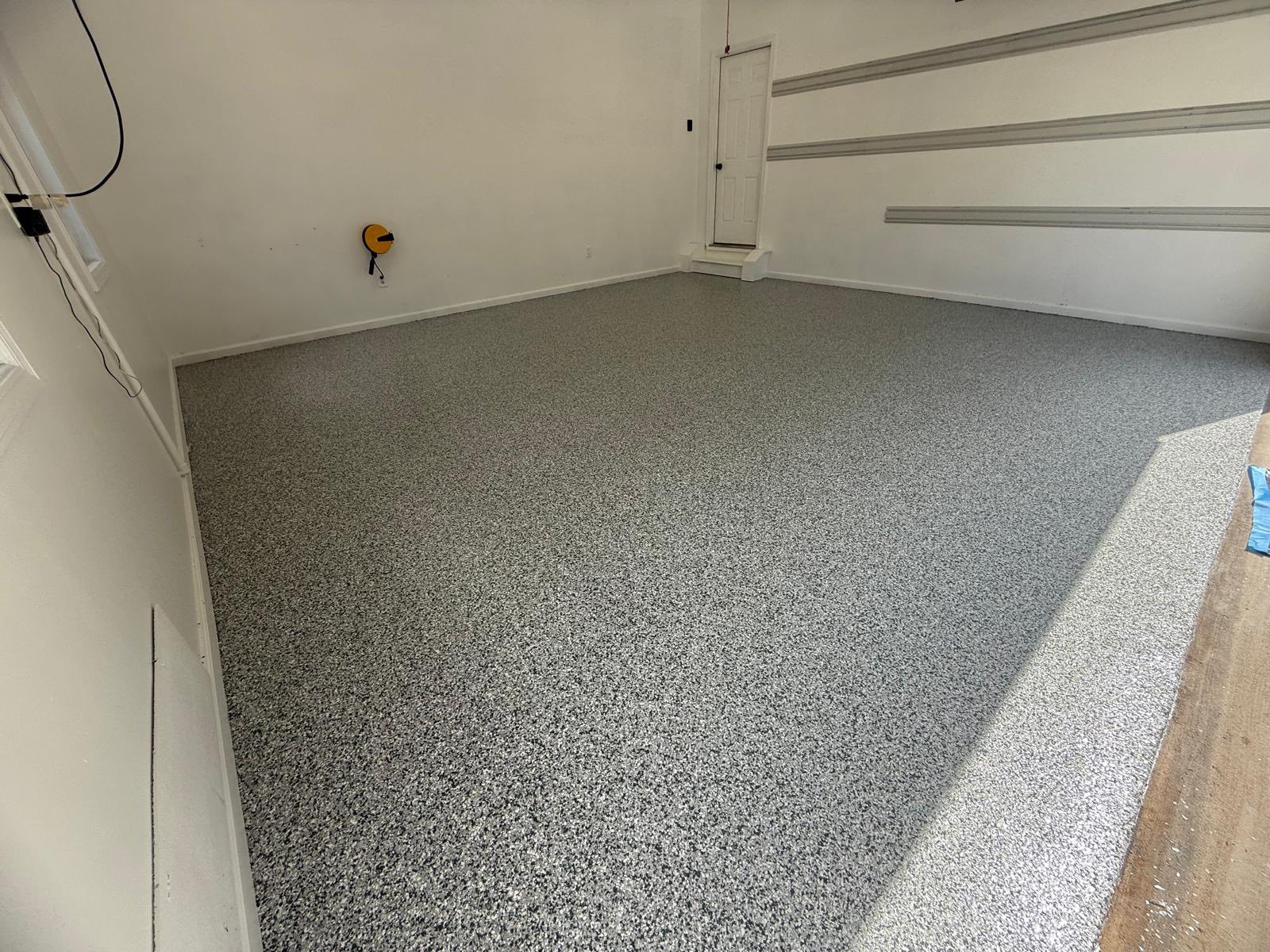
A garage floor needs to handle more than occasional foot traffic. Vehicles, tools, moisture, dirt, oil, and temperature changes can all influence how a floor performs over time. When comparing garage floors, property owners should consider how the space is used rather than choosing a finish based only on appearance. Understanding the available garage flooring options can make the selection process much easier.
Start With Your Garage Needs
The right floor depends heavily on what happens inside the garage. A space used mainly for parking may have different requirements from a garage that doubles as a workshop, storage area, or hobby room.
Consider the type of vehicle traffic, the amount of equipment stored inside, and how often the floor needs cleaning. If tools are frequently dropped or heavy items are moved across the surface, durability becomes more important. For a multipurpose garage, maintenance and comfort may also influence the decision.
Moisture is another factor worth considering. Garages can experience water from vehicles, rain, snow, cleaning activities, or humidity. The existing concrete should be inspected before a new flooring system is selected.
Evaluate the Existing Concrete
Before choosing a flooring material, examine the condition of the concrete underneath. Small cracks, stains, surface wear, uneven areas, and previous coatings can affect the preparation required for a new floor.
A coating installed over poorly prepared concrete may not perform as expected. That is why surface preparation should be treated as part of the flooring decision rather than an afterthought.
It is useful to identify existing problems before comparing finishes. Cracks may need repair, old coatings may need removal, and the surface may require mechanical preparation. A professional assessment can help determine which solutions are realistic for the current slab.
Compare Common Flooring Options
There are several approaches to garage flooring, and each has different characteristics. Coated concrete is popular because it can provide a seamless appearance and make routine cleaning easier. Epoxy and polyaspartic systems are common choices when property owners want a finished surface with added protection.
Interlocking garage tiles offer another approach. They can be installed over suitable concrete and replaced individually if certain sections become damaged. However, seams may require more attention, especially where moisture or dirt can collect.
Concrete stains and sealers can also change the appearance of an existing slab without completely covering its character. These options may work well when the owner prefers a simpler decorative treatment.
The best option depends on the garage’s condition, expected use, maintenance preferences, and desired appearance.
Think About Maintenance
A garage floor should be easy enough to maintain for the way the space is actually used. Vehicle fluids, dirt, tire marks, and dust can accumulate quickly, particularly in garages that see frequent activity.
A smooth, well-finished surface can make sweeping and cleaning more convenient. However, no flooring material eliminates the need for routine care. Cleaning products should always be appropriate for the selected surface, and spills should be addressed according to the manufacturer’s recommendations.
Owners should also consider how often they are willing to clean and maintain the floor. A visually attractive finish may not be the best choice if it requires more maintenance than the owner wants to provide.
Consider Safety and Everyday Comfort
Safety deserves attention during selection. A garage floor can become slippery when wet, especially if the surface is very smooth. Depending on the system, texture or an appropriate aggregate may be incorporated to improve traction.
Lighting can also influence the experience of the space. A lighter-colored finish may help make a garage feel brighter, while darker surfaces can create a more workshop-oriented appearance. Color, texture, and finish should therefore be considered alongside practical requirements.
Get the Surface Ready
Preparation is one of the most important stages of a garage flooring project. The concrete should be clean, structurally suitable, and properly prepared for the selected system.
Before hiring a flooring professional, ask what preparation will be required, how existing damage will be addressed, and which flooring system is appropriate for the garage’s intended use. Clear answers can help prevent unsuitable material choices and unexpected preparation requirements.
Conclusion
Selecting among different garage floors is easier when durability, maintenance, safety, appearance, and existing concrete conditions are considered together. The most attractive option is not necessarily the most suitable one for every garage.
Property owners in Atlanta can explore their options through atlantaflooring.io when planning a garage flooring project. Taking time to assess the space and understand the available systems can lead to a more practical flooring decision.