In a surprising political development, US Congresswoman Marjorie Taylor Greene—one of the most controversial figures in American politics and a vocal critic of the H-1B visa programme—has announced that she will resign from her position. The announcement comes amid an escalating feud with former President Donald Trump, her longtime ally, marking a significant shift in the dynamics of the Republican Party.
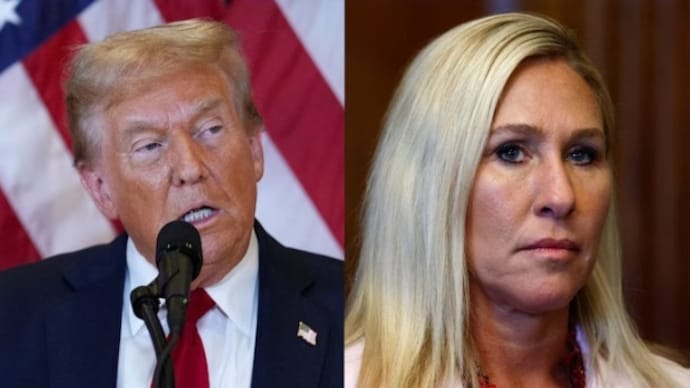
Greene, known for her strong conservative views and outspoken style, had previously pushed for a bill to terminate the H-1B visa programme, which is widely used by skilled professionals from countries such as India. Her resignation has triggered widespread discussion in political, business, and immigrant communities, given the potential implications for US immigration policy and the workforce landscape.
situsmerahtoto.info | cactusgomel.com | sklarchiropractic.com
productplants.com | casinofunreview.com
1. Background: Greene and Her Opposition to H-1B Visas
Marjorie Taylor Greene built her political identity around hardline immigration positions. Among her many proposals, the one that gained significant attention internationally was her push to abolish the H-1B visa programme.
The H-1B visa allows US companies to hire highly skilled foreign professionals in fields like:
-
Information technology
-
Engineering
-
Research
-
Medicine
-
Finance
The programme is crucial for American tech companies that rely on global talent, especially from India. Greene argued that the visa programme hurt American workers by increasing competition in high-skilled job markets. Her proposal to eliminate H-1B visas faced criticism from business leaders, technology firms, and immigrant communities, who said that such a move would damage the US economy and innovation ecosystem.
Despite limited support in Congress, Greene’s stance positioned her as one of the strongest opponents of employment-based immigration.
2. The Growing Rift With Donald Trump
While Greene has been seen as one of Donald Trump’s staunchest allies throughout his political journey, tensions between the two have been rising over the past several months. The exact cause of their feud remains complex and political analysts suggest several possible triggers:
-
Disagreements over Republican Party strategy
-
Competition for influence over right-wing voter groups
-
Differences over policy positions
-
Personal disputes escalating into public arguments
Trump, who is preparing for a prominent political role ahead of the upcoming election cycle, reportedly distanced himself from Greene due to her confrontational approach and the division it created within the party.
Greene’s resignation announcement came shortly after disagreements with the former President intensified into a public confrontation. Her departure may be seen as part of a broader shift within the Republican Party as it attempts to maintain party unity under Trump’s influence.
3. Impact on the Immigration Debate
Greene’s exit could influence the tone of the immigration debate in the US Congress. Her proposal to abolish the H-1B visa had limited backing even within her own party, but her aggressive rhetoric often pulled discussions further right.
With her stepping down:
-
Hardline proposals such as ending H-1B visas may lose political momentum.
-
Mainstream Republicans may focus on reforming rather than ending the programme.
-
Pro-business Republicans are likely to push for expansion of skilled visas in line with labour shortages.
-
The tech sector may view this as a relief, as many companies depend heavily on foreign talent.
However, immigration remains a politically sensitive subject, and Greene’s supporters may continue advocating for stricter policies.
4. What This Means for Indian Professionals
The H-1B visa is especially important for Indian professionals, who account for a large portion of annual applicants. Greene’s resigning offers some stability to those concerned about abrupt policy shifts.
Potential outcomes include:
-
Reduced pressure to eliminate the H-1B programme entirely
-
More balanced discussions on immigration reform
-
Continued demand for skilled foreign workers due to labour shortages in tech and healthcare
Although the political climate in the US can be unpredictable, Greene’s exit removes one of the strongest voices calling for the termination of a programme vital to skilled foreign workers.
5. The Future of US Immigration Policy
Greene’s resignation alone does not determine the direction of US immigration policy, but it does signal a shift in the internal politics of the Republican Party.
Key factors that will shape future policy include:
-
Trump’s position on high-skilled immigration
-
The priorities of the next administration
-
Business community lobbying
-
Workforce shortages driving demand for skilled labour
-
Bipartisan efforts to modernise visa systems
As artificial intelligence, healthcare, cybersecurity, and engineering continue to experience talent gaps, the H-1B programme is expected to remain central to US economic strategy.
6. A Turning Point in Conservative Politics
Greene’s decision to step down marks a major moment for conservative politics. Once considered a rising star among far-right groups, her influence may now diminish significantly. Trump’s dominance within the party has forced even his strongest allies to fall in line with his strategies and political calculations.
Greene’s confrontational approach, controversial statements, and escalating feud with Trump ultimately isolated her, showing the limits of political extremism even within conservative circles.
Conclusion
Marjorie Taylor Greene’s resignation is a significant political event with domestic and international implications. Her strong opposition to the H-1B visa programme had raised concerns among global professionals, particularly in India. With her exit, the push to eliminate the visa is likely to lose momentum, easing fears within the skilled immigrant community.
Meanwhile, the growing influence of Donald Trump continues to shape the future of the Republican Party. As the US moves closer to another election cycle, immigration—especially high-skilled visas—will remain a key topic, but Greene’s departure may help shift the conversation toward more practical and economically driven reforms rather than extreme proposals.