Veteran actor, filmmaker, and one of Indian cinema’s most respected artistic voices, Amol Palekar, delivered a grounded and thought-provoking perspective on Bollywood’s internal workings at the Sahitya Aaj Tak 2025 event in New Delhi. Known for his subtle acting style and nuanced films such as Gol Maal, Chhoti Si Baat, and Rajnigandha, Palekar took the stage to discuss some of the most debated topics surrounding the Hindi film industry today—nepotism, talent, box-office obsession, and the future of meaningful cinema.
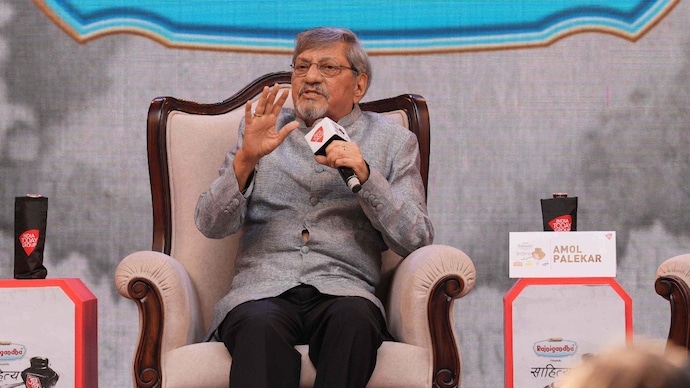
While the discussion touched various dimensions of filmmaking, it was his clear and balanced comments on nepotism that drew the strongest reactions from listeners. In an industry often caught in heated arguments between insiders and outsiders, Palekar’s words brought a refreshing neutrality grounded in decades of personal experience.
thetokenclock.com | nearmebiz.com | organicsearchtrafficbot.com
successorganisation.com | topcbdinfo.com
“Nepotism helps you enter, not succeed”
Palekar explained that nepotism—an oft-criticised phenomenon in Bollywood—has indeed existed for decades, just like in any other profession. But the veteran clarified that the misconception lies in assuming that lineage alone can guarantee long-term success.
“Nepotism can help someone get an entry point into the industry, but it cannot ensure a stable career. Only hard work, discipline, and genuine talent can sustain an actor or filmmaker in the long run,” he said.
The audience listened intently as he elaborated that many star kids may receive initial opportunities more easily, but the system ultimately rewards those who can connect with audiences. No amount of backing from an influential family can replace credibility earned through performance. He reminded listeners that the film industry has numerous examples of actors with no film background who built remarkable careers purely on merit, while many children of major film families faded after a few films.
Palekar’s stance was neither accusatory nor defensive; rather, it acknowledged the reality without exaggeration. It was a mature, measured perspective—a reminder that Bollywood is neither an impenetrable fortress nor a purely meritocratic space. It is a blend of opportunity, luck, skill, and market demand.
A call to rethink what “success” means in cinema
One of the strongest points Palekar raised during his session was the growing obsession with box office numbers. He expressed deep concern over how films today are often judged solely on their opening weekend collection instead of their content, emotional depth, or cultural impact.
“We must stop evaluating films on the basis of box office numbers alone. The essence of cinema lies in the storytelling, the performances, the craft—things that can’t be measured in rupees,” he said.
He argued that this numbers-focused environment has pushed filmmakers towards formulaic storytelling, sequels, commercial tropes, and “safe-content” approaches, which limit creativity. The audience responded with applause when he urged people to prioritise films that enrich the mind and stay memorable, not just those that dominate headlines for a week.
Palekar reminisced about the period of parallel cinema, where filmmakers like Shyam Benegal, Basu Chatterjee, and Govind Nihalani contributed powerful narratives that shaped India’s cinematic identity. He emphasised that the ecosystem back then was driven by art, not algorithms or trend analysis.
“Audiences must also take responsibility”
In a meaningful shift from the actor-centric conversation, Palekar addressed viewers directly. He urged the public to be mindful of how their choices shape the industry. If audiences continue to reward only high-budget spectacle films or star-powered releases, meaningful cinema will automatically shrink.
“Cinema changes when audience preferences change. If you support good cinema, the industry will make more of it. Viewers have far more influence than they realise,” Palekar remarked.
This perspective placed viewers and creators on equal ground, highlighting that quality cinema is a collaborative outcome.
His reflections on the changing industry
Palekar also spoke about how the film industry has evolved dramatically over the years—with digital platforms transforming the way stories are told and consumed. He credited OTT platforms for encouraging more experimental storytelling, for giving opportunities to talented actors from smaller towns, and for reducing the monopoly of a handful of production houses.
However, he remained cautious, stating that even OTT now faces pressures from algorithms, viewership metrics, and formula-based content. According to him, while technology expands possibilities, it also brings new challenges that creators must navigate with honesty and creativity.
Why Amol Palekar’s words matter today
As an artist known for his understated brilliance, Palekar’s opinions carry weight. His career—spanning middle-class comedy-dramas, socially relevant subjects, and sensitive direction—represents a part of cinema where subtlety and skill mattered more than spectacle.
In today’s climate where debates on nepotism often become heated, emotional, or polarised, Palekar brought balance. He did not deny nepotism exists; instead, he offered a realistic picture: it helps you walk through the door, but staying in the room depends entirely on your capability.
Similarly, his critique of box office obsession comes at a time when the industry is increasingly driven by weekend numbers, influencer reviews, and viral clips. His message was clear—cinema must return to its creative core.
A reminder for the next generation
Palekar ended with a message for young actors, writers, and directors who aspire to enter Bollywood:
-
Focus on your skill, not shortcuts.
-
Be prepared to work harder than everyone else.
-
Let your passion speak louder than your insecurity.
-
Success that comes with talent is slow but permanent.
He encouraged newcomers to stay grounded and embrace learning instead of comparing themselves to star kids or being discouraged by external disadvantages.
Conclusion
Amol Palekar’s appearance at Sahitya Aaj Tak 2025 was more than just another celebrity session—it was a thoughtful conversation about the soul of Indian cinema. His balanced take on nepotism, emphasis on craft over commerce, and call for audience responsibility created a meaningful dialogue that resonates strongly in today’s fast-paced entertainment world.
His message was simple yet profound: Cinema survives because of honesty—honesty in storytelling, honesty in performance, and honesty in audience choices. Talent may take time to shine, but when it does, no privilege can outshine it.